Central China Normal University
The campus master plan is based on a “two horizontal and four vertical” planning structure, a “western humanities and eastern sciences” and a “southern dynamic and northern static” planning layout. A ring, three horizontal and three vertical axes form the main traffic skeleton. The main entrances to the campus are located on the south, north, and east sides of the Guizishan Campus and the north side of the Nanhu Campus.
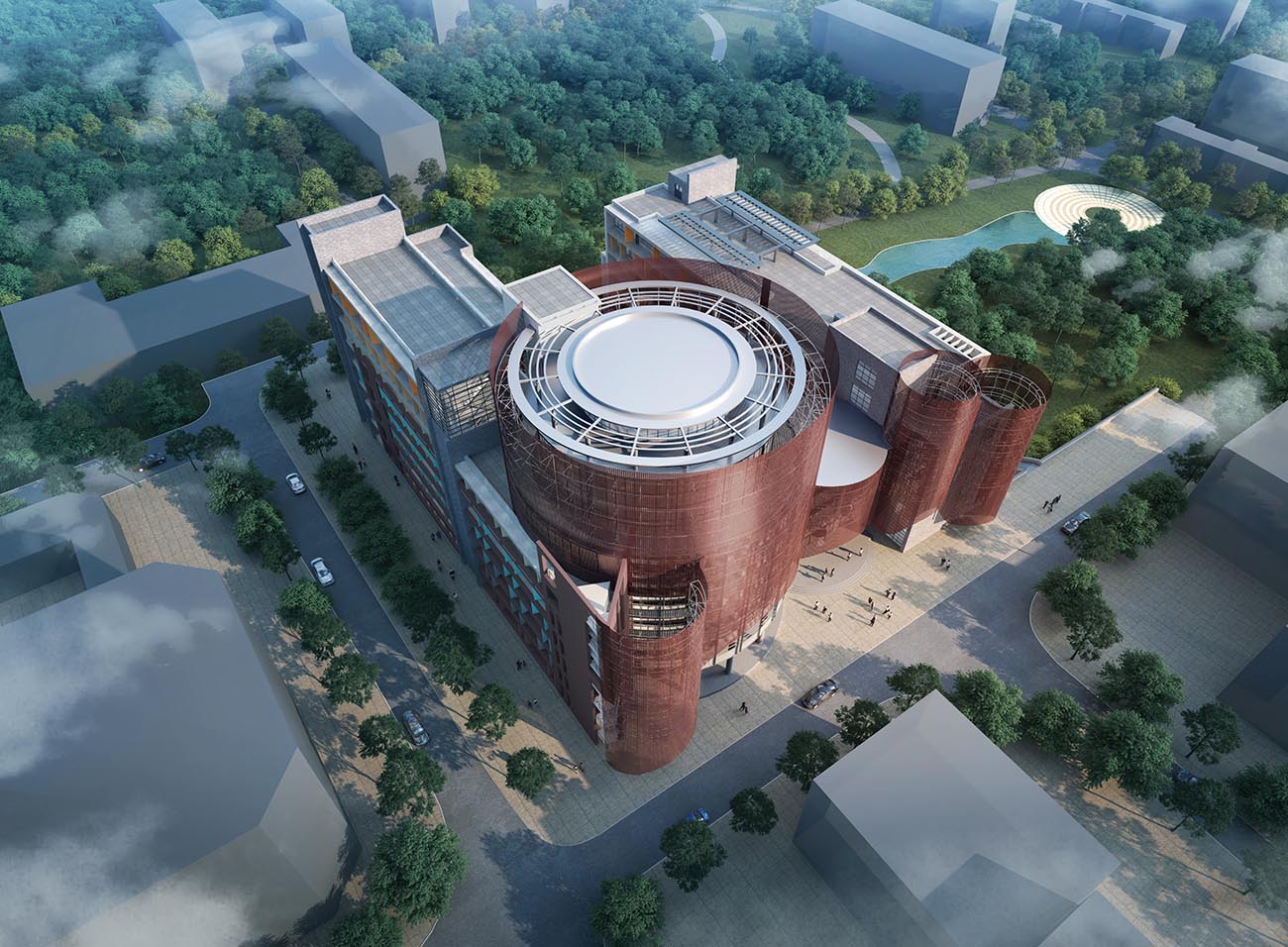
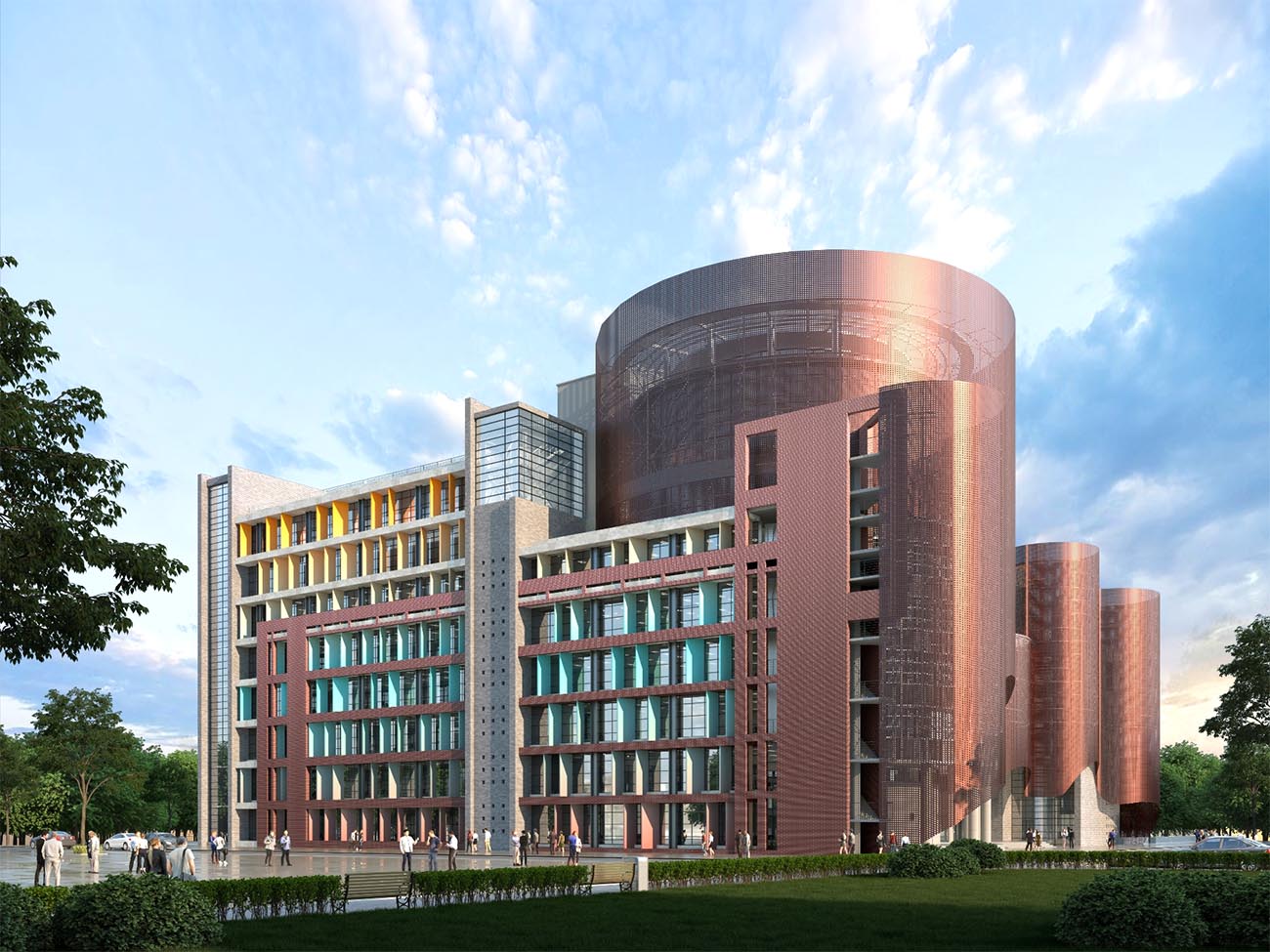
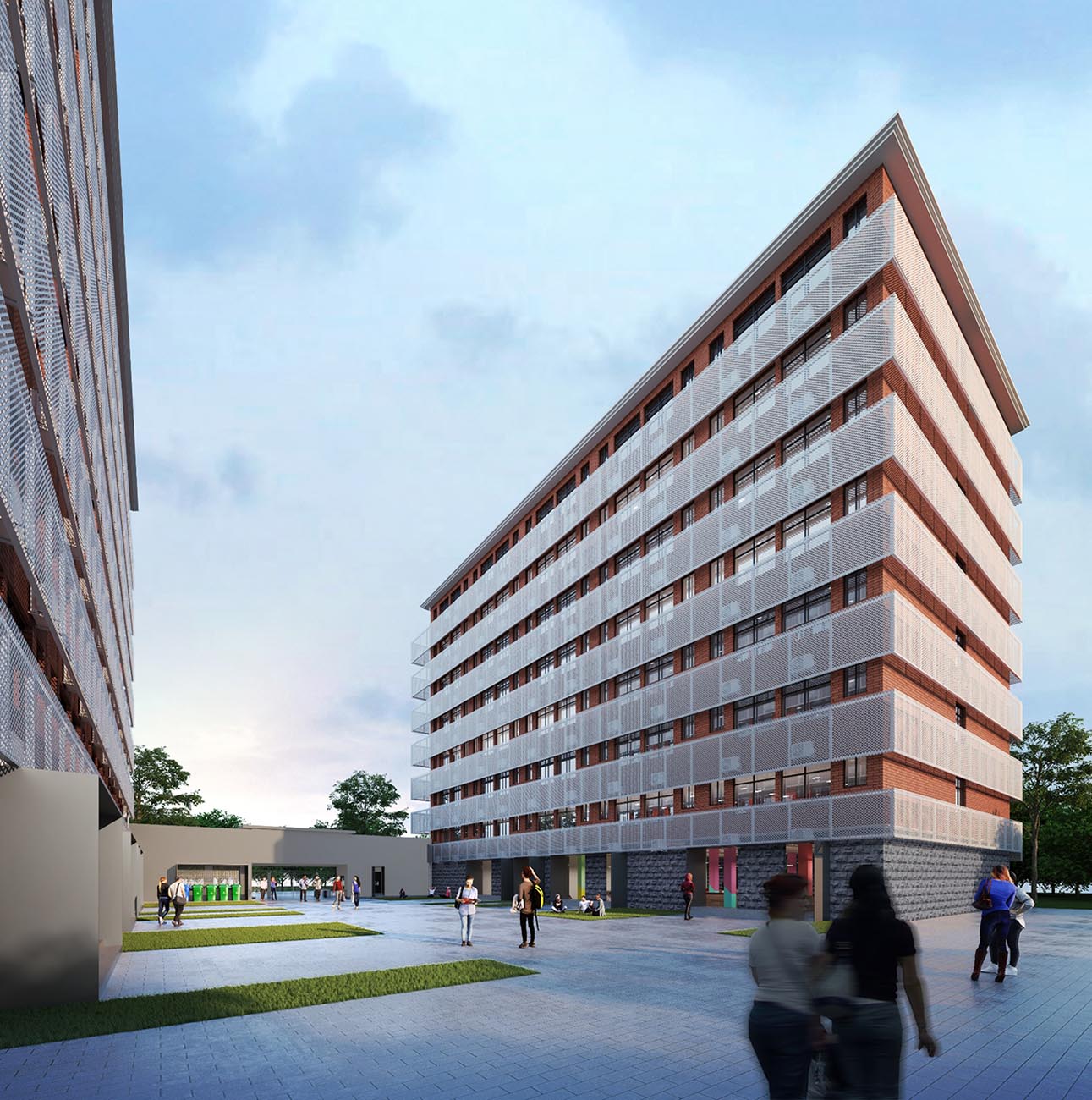
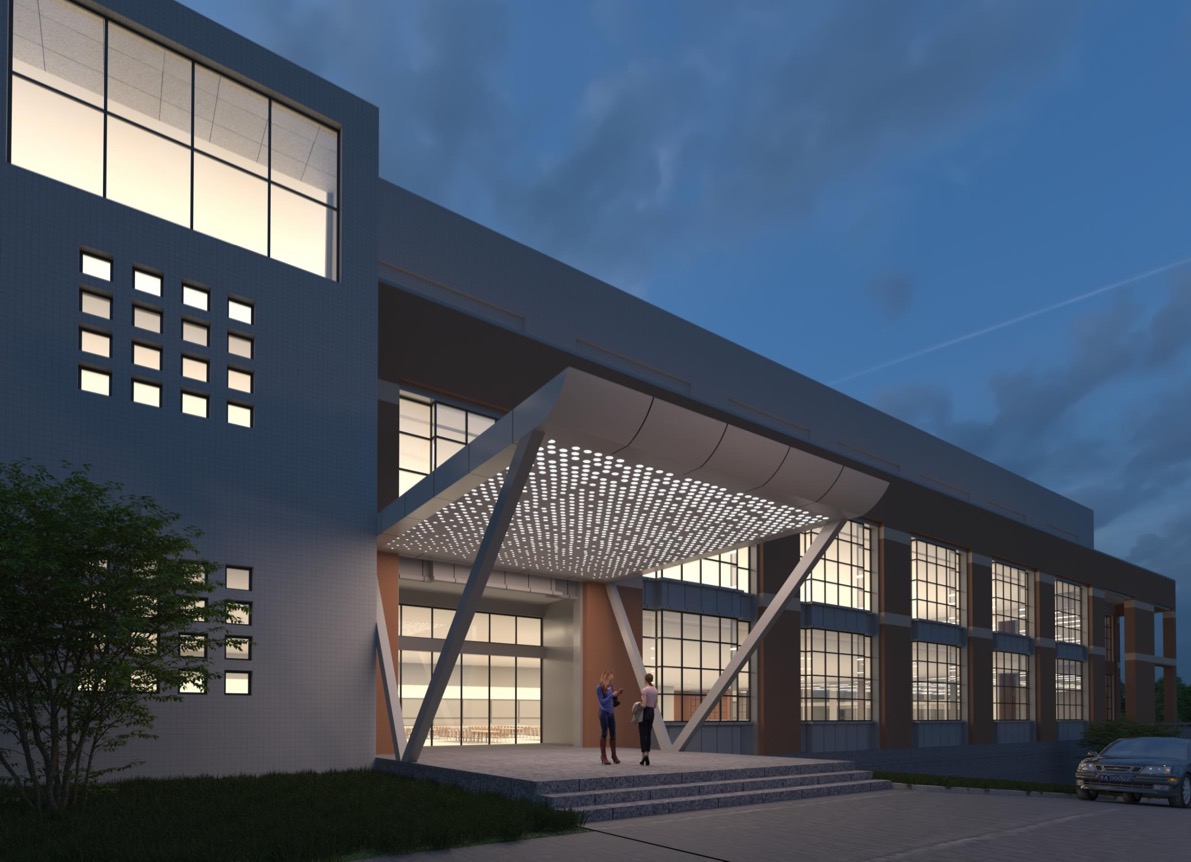
The 10th Teaching Building adopts a “circular order” to create a lively and light architectural image. The “circular” order is connected to the building’s west facade, facing the campus in a soft, harmonious, and unified posture. The original architectural features are fully preserved in an upward growth attitude, and the most representative brick red and the most recognizable “curve” are continued.
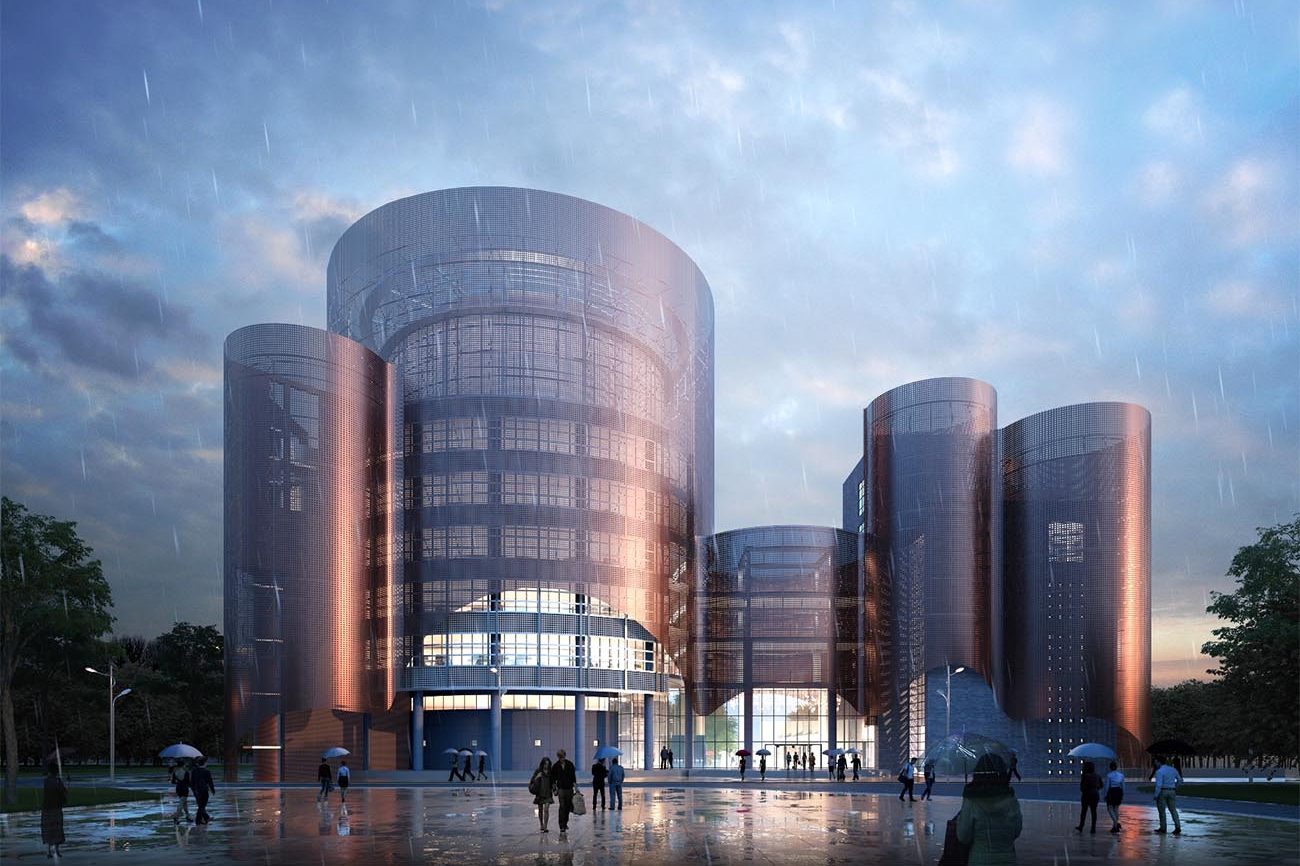
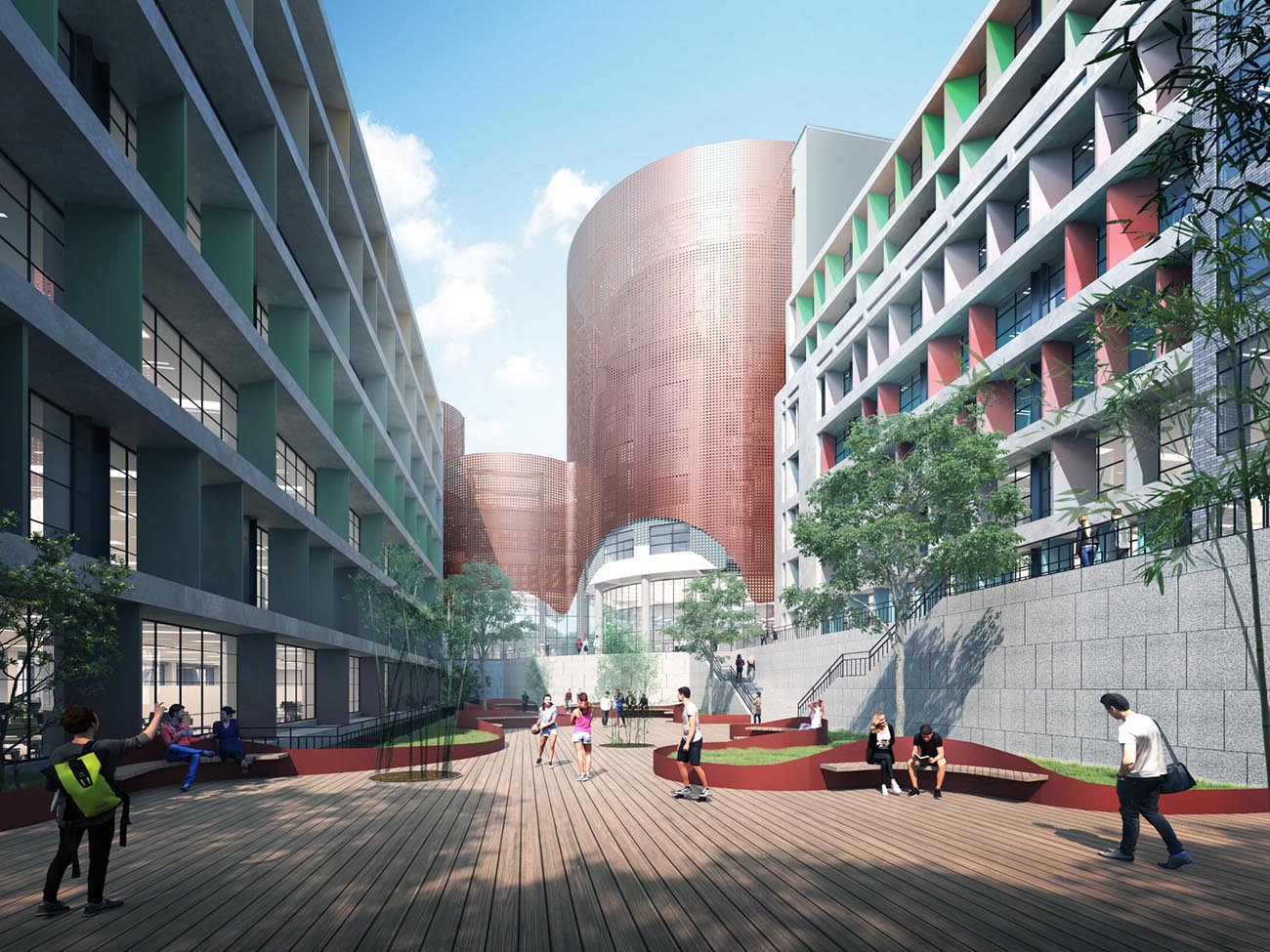
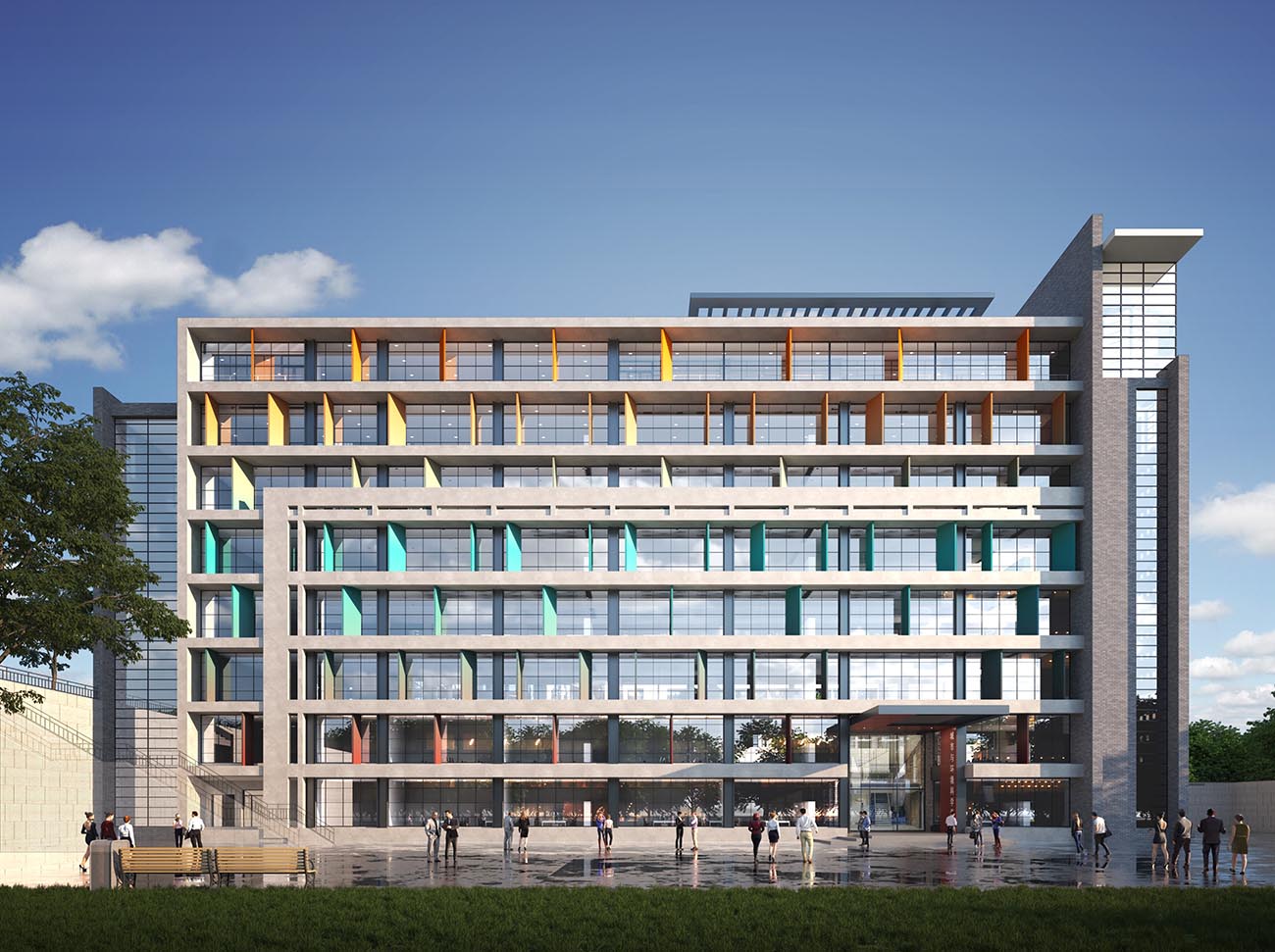
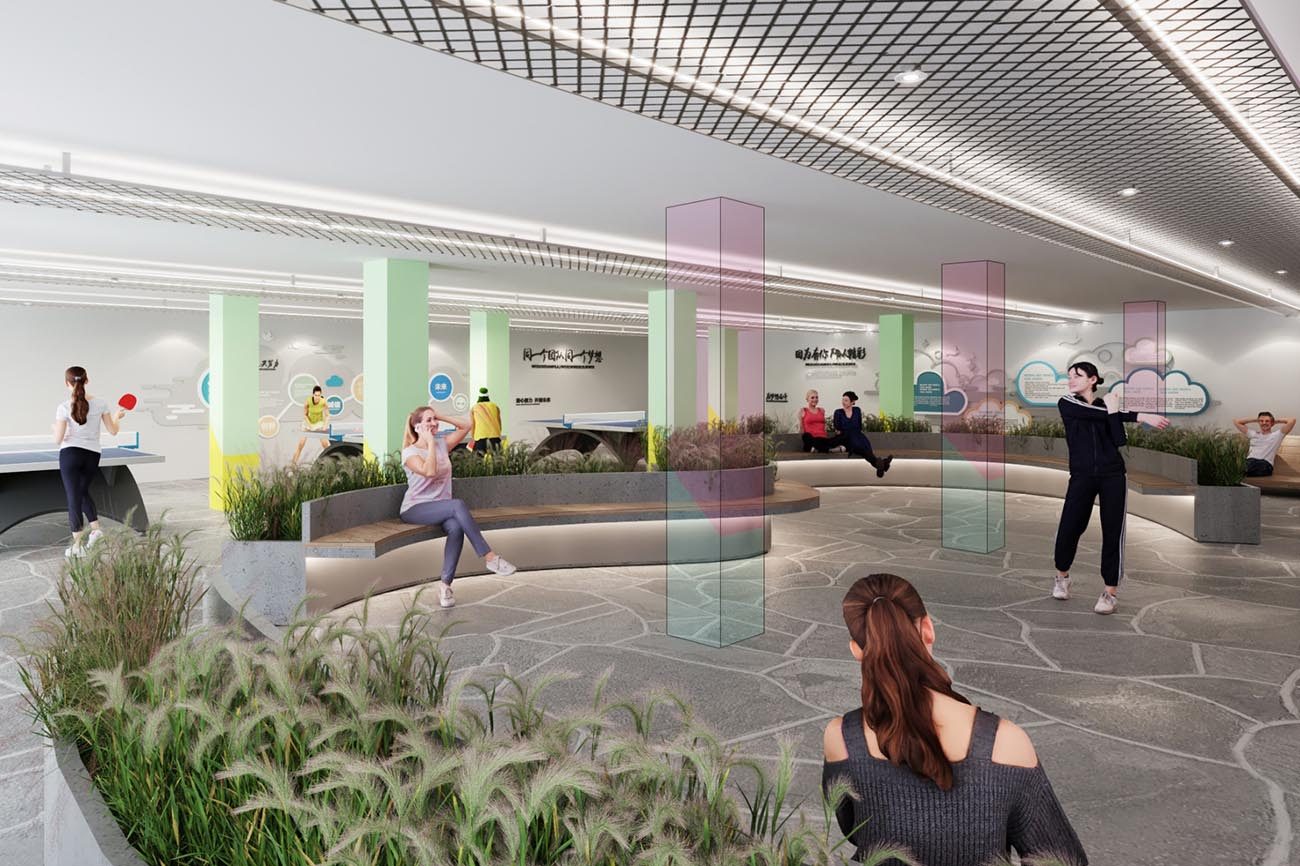
The two teaching areas on the west side are connected and unified to form a more complex functional entrance hall. The new lobby has connectivity and sharing, and the landscape platform in the middle of the two buildings is leveled. The newly placed “vitality zone” creates a learning and living environment. The combination of the environment adds a more warm and humanized connotation to campus culture and enhances the new experience of the publicness and sense of place of the teaching building.
By covering with a perforated aluminum panel system, the north and south teaching buildings are connected in a more gentle posture. This not only weakens the protruding sharp corner shape of the stairwell in the northwest corner of the original building, but also completes the curtain wall shading and rainproof component system. The continuity between the interior and exterior also activates the internal space.
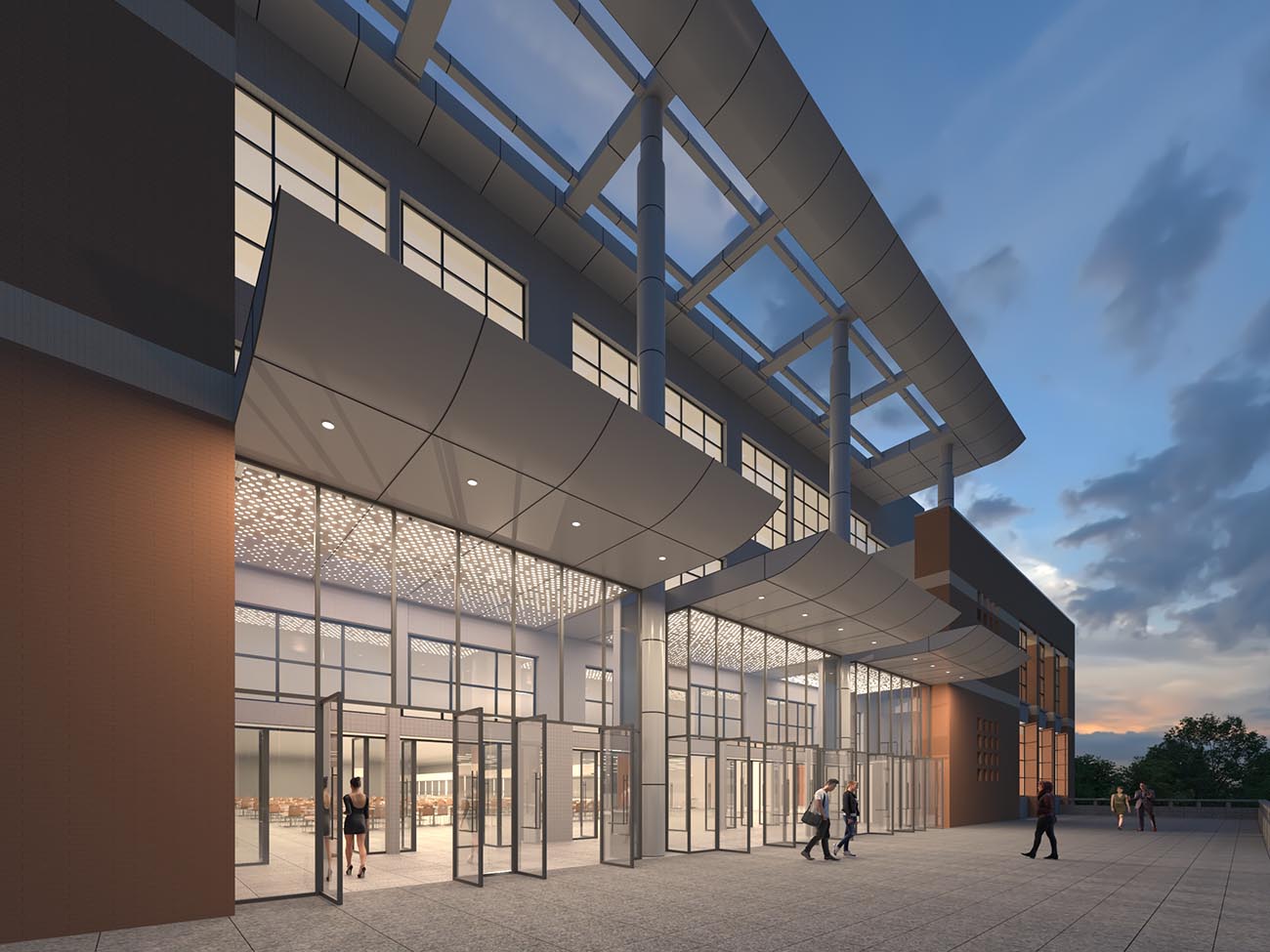
Based on the re-planning of the use function of the mezzanine of the south building, a lighter and more streamlined exit is added to it, making the access more convenient and the form is also harmonious with the main building. The transparent glass surface brings natural light into the room, and the original terrace on the top floor is enclosed and re-planned with the structural members of the facade as a landscape sunroom, adding opportunities for students to get close to nature.
The main entrance on the west side is covered under the skin with a continuous wavy profile, giving the skywalk the dual meaning of transportation connection and public activity lobby. The original scattered building volume is connected and unified, not only blurring the building boundary, reducing the sense of oppression on the surrounding buildings and pedestrians, but also adding a sense of mystery and artistic atmosphere to the building due to this new outer layer.
Perforated aluminum panels are added to the outside of the glass curtain walls of the two teaching buildings facing north and south, effectively hiding the wall-mounted air conditioners while providing shading and rain protection for the curtain walls, improving the durability of the curtain walls, and adding vertical colored shading aluminum panels to provide the building with a richer expression.
The site is re-leveled to provide more activity space. The lawn vegetation is replaced in the corner areas of the site, forming a green barrier between the pedestrian activity area and the teaching area. A wavy ring is created along the green space, which becomes a garden living room for students to rest.
The goal is to create a more recognizable and friendly teaching environment for teachers and students, strengthen the connection with the surrounding environment, create the fun of space, and release goodwill to the surrounding environment through the processing of blurring the architectural boundary and more humane function arrangement under the soft appearance.
Size:
82,100 sqmLocation:
WuhanStatus:
CompletedDate:
2022/03Date:
March 1, 2022